








Last week, I had the opportunity to participate in a workwear roundtable hosted by the NAUMD, and one theme resonated with everyone in the room: sustainability can no longer stop at the fabric.
For years, we have measured progress in uniforms through the lens of fibers: recycled polyester, organic cotton, PFAS-free finishes, or innovative blends designed for durability and comfort. But as we discussed around that table, the environmental footprint of a uniform extends far beyond the fabric roll. It lives in the packaging, the trims, and even in the way we ship and store our products.
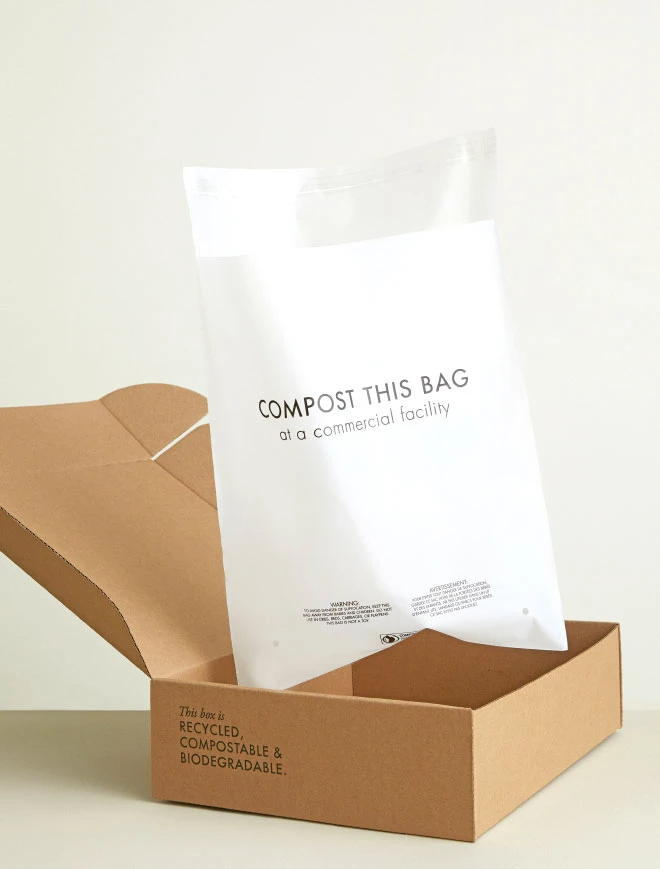
Packaging is often an invisible contributor to waste in the apparel supply chain. Every garment, whether a polo, coverall, or suit jacket, usually arrives in its own polybag, sealed, tagged, and boxed for distribution. Multiply that across thousands of SKUs, and you start to see the mountain of single-use plastic behind every uniform program.
The most common way to minimize waste is through recycled or reusable packaging, or by simply removing unnecessary layers. Another fantastic way is to ship bulk-packed uniforms for programs, eliminating millions of plastic bags annually. Others are switching to recycled-content films or FSC-certified cartons. The message is clear: packaging choices matter just as much as fabric choices when it comes to sustainability.
Trims “small but mighty” components; buttons, zippers, emblems, reflective tape, and labels. These details define brand identity and functionality, but they also determine how recyclable a garment is at the end of its life.
A uniform with a heat-sealed PVC logo or mixed-metal buttons becomes nearly impossible to recycle. By contrast, using mono-material trims, bio-based plastics, or recycled metals keeps future circularity in mind. Some suppliers are even developing removable logo systems, allowing garments to be rebranded or reused, a smart move for rental programs.
In short, trims are more than design elements; they are part of a sustainability strategy.
The uniform supply chain often spans continents, fabric woven in one country, trims sourced in another, garments sewn in a third, and finished goods shipped across oceans. Each mile adds carbon.
Companies are now examining how to shorten supply chains, consolidate loads, and reduce air freight where possible. Even small adjustments, such as regional sourcing or efficient route planning, can lower emissions and save cost. Sustainability and operational efficiency can go hand in hand.
The Extended Producer Responsibility (EPR). a growing legislative movement that holds companies accountable for the full lifecycle of their products, from creation to disposal.
EPR is not theoretical anymore. California’s SB 707 Responsible Textile Recovery Act and the EU’s 2025 textile collection targets are real signals that producers will soon be responsible for garments, packaging, and waste streams. For uniform suppliers, which means it is time to start tracking materials, packaging weights, and end-of-life pathways. It also means designing with reusability, recyclability, and longevity in mind.
Uniforms have always symbolized unity, professionalism, and pride. Now, they can also symbolize responsibility.
For those of us in the uniform industry, that story is evolving. By rethinking packaging, refining trims, optimizing planning, and preparing for EPR, we can extend sustainability beyond the fabric and into every layer of what we do.
Because in the end, a sustainable uniform is not just about what is worn, it is about what is left behind.